
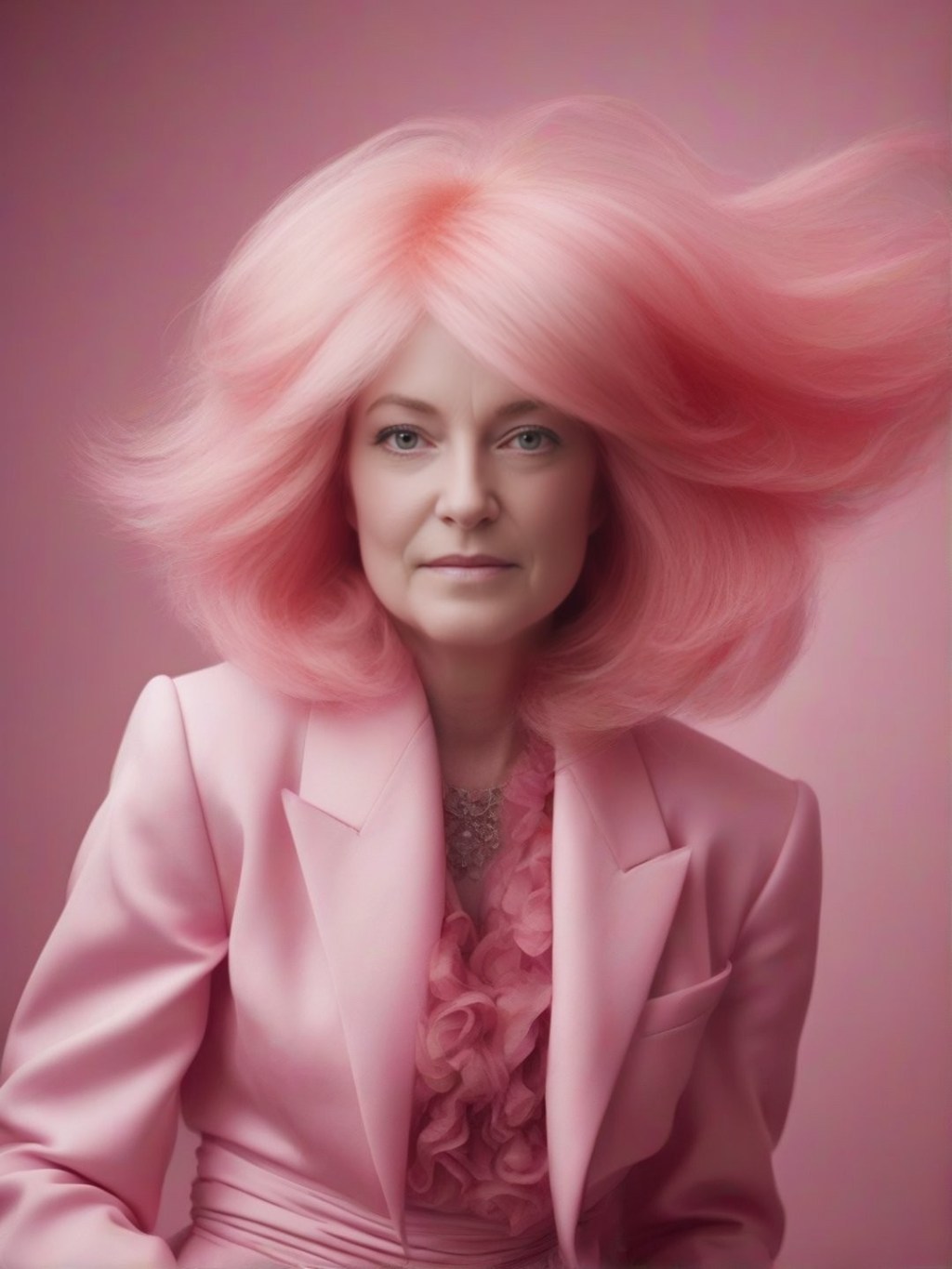
Dear readers, imagine this: you’ve just turned 50, and suddenly, it feels like you’re invisible to advertisers. If you do see ads aimed at you, it’s all about strolling on beaches, booking cruises, or taking a bowel test! Sure, there’s the occasional nudge to attend the theatre or join a social group, but where’s the excitement? Where are the ads encouraging you to buy a new outfit or try a bold new hairstyle? Instead, most magazine articles are busy telling you how to dress ‘appropriately’ for your age (and to get rid of greys!).
It is the function of creative people to perceive the relations between thoughts, or things or forms of expression that may seem utterly different, and to combine them into some new forms, the power to connect the seemingly in connected. –William Plomer
I have been following the ageism movement internationally for nearly 10 years. My interest was tweaked when, after research, I discovered David Harry Stewart and his Agist magazine (in America, not South Australia. )
David says, “Being cool is ageless.”
Testimonial “As David Harry Stewart keeps telling the Fortune 500 companies now beating a path to his door, desperate to find out how to talk to these people; these people who, despite having lived more, rather than less of their lives, who otherwise feel inside much as they did when they were 30, who still laugh, love, play, ponder, hope, and even covet now as they did before . . .” ~Esquire UK
Over time, I have watched as ageism examples and attitudes mixed with progress from all corners of the globe. The celebration and joy felt when brands and influencers sky rocket to success once they embrace diversity and inclusion is wonderful.
So, why is it a movement? Why isn’t it just life in general. Well, some would say that it was. However, I conject this is because people ‘get on regardless’.
Let me round out why this situation is not ideal.
I’ve witnessed, as best put by the World Health Organisation, ‘pervasive stereotyping and discrimination, leading to elder abuse, marginalisation, isolation, inequality and fear while making older people feel invisible and diminishing their autonomy, value and voice.’ (WHO)+¹
Age shouldn’t define your worth. We’re all still contributing, growing and learning.
Dr Marlene Krasovitsky, who is an advocate and campaigner against ageism, shared at the recent National Press Club on why Australia needs a national ageism awareness day, that EveryAGE Counts had called for a sustained national public awareness and education campaign on ageism.
She said, “We’ve learned from the other great social movements, like ‘Me Too’, Gay Marriage and so many other movements that change is possible. We are not one homogeneous clump, so labeling, assuming or treating us all the same is absurd.”
It’s the ‘thinking behind the thinking’ idea generating mindset that I have, which keeps me asking ‘why?’.
In Adelaide, we have the InDaily 40under40 and a Fifty+SA magazine which (I feel) struggles for editorial. We still go ‘oooh’ and act surprised when an 80 year old attends a gym.
My suggestion for a ’50over50′ event like the InDaily’s 40, was met with lack luster and push back. Why? Was it because a 58 year old suggested it? I ponder. Perplexed. It’s a common feeling I now have. Is this why everyone else is ‘just getting on?” I wish for better. I hope my grandkids never experience ageism.
The language we use, the style in which we portray older people, and the way we market to them as customers and consumers is evolving, sure. No longer the “silent generation” (whatever that was), people over 50 have views, opinions, desires, and interests surprisingly just like every other generation. However, there continues to be a general indifference in the broader Adelaidian community around how we address this better.
Adelaide, a city that thrives on innovation and community… well into our 40’s. For those of us now over 50, there’s a gap in our media landscape. Too often we miss the public discussions and examples of life beyond.
We know about the “Boomers” as there has been much conversation and debate about this group. Watch the eyes roll when people start talking about them (note, not with them); it’s quite derogatory. While many boomers are not rich, there is a freedom within a relaxed but determined way in which they spend and live their lives. They are (generally) active and engaging, taking on the majority of volunteering roles needed to maintain our community. Their excitement was born amidst sexual liberation, freedom speeches, unnecessary wars, moon landings, assassinations and Woodstock (to name a few).
However, what about the rest?
I’m a quinquagenarian! No, I’m not ‘elderly’.
People in their 70s are known as septuagenarians. Those in their 80s are octogenarians, and those in their 90s are nonagenarians. They’ve lived through world wars, witnessed changing fashions like petticoats, and navigated shifting societal protocols. While there are countless articles and papers that describe these generations, along with a growing push for intergenerational commentary, few focus on normalising their engagement in the media, thus shaping a diverse and inclusive future. None truly bridge that gap.
So, from 1 October, Day of the Older Person, as well as during Ageism Awareness Week, we’re calling for change.
‘Bridging the Years’ is a campaign to celebrate life beyond 50, to challenge ageism and connect generations across South Australia. Together, we ask you to value every experience, no matter their age.
Because ageism hurts everyone.
Link to our Instagram



#GreyMatterStudio
#EndAgeism #RespectAllAges #AgeingWithDignity



You must be logged in to post a comment.