

As South Australia implements its social media ban for under-16s (seemingly a progressive move), it’s hard to ignore the broader fault lines emerging across society and the platforms shaping it (side note, this draft commenced writing BEFORE Bondi).
What a year 2025 has been.
I’m counting in 2026 with CHEER.
But the shift also exposes deeper cracks in how culture is formed, amplified, and felt, especially by those of us over 50 who still shape large parts of the online conversation.
Note; Under the framework that took effect on December 10, platforms like Facebook, Instagram, TikTok, YouTube, X and others must take “reasonable steps” to prevent under‑16s holding accounts, with penalties up to A$49.5 million for non‑compliance; enforcement sits with the eSafety Commissioner, and SA leaders have framed it as a world-first change that empowers parents while pressing Big Tech to accept duty of care.
2025 made the incentives crystal clear.
Oxford University Press chose “rage bait” as the Word of the Year acknowledging that algorithms still reward outrage over nuance. Usage of the term reportedly tripled over the past 12 months, and OUP traced its online lineage back to 2002 before documenting its evolution into a shorthand for engagement engineered by provocation. If we want 2026 to feel different, the task isn’t simply to post more; it’s to resist the orbit of engineered indignation (this blog excepted).
Charlie says, “Safe is the new risky; any content that doesn’t provoke, polarise or promise instant aspiration struggles for cut-through. If we rise to the light and find our JOY, we may save more than our sanity.”
If we’re honest, 2025 also surfaced contradictions many of us live with. We care less about being judged, yet anxiety hums in the background (for many women, the perimenopause-to-postmenopause arc heightens stress and mood impacts), and the economic model keeps nudging retirement later. Evidence shows early perimenopausal women report higher stress and are more bothered by anxiety and depressive feelings than postmenopausal women; resilience and self‑efficacy help buffer those experiences. That’s not a reason to retreat from public digital life! It’s a prompt to choose communities and habits that regulate, not erode, our well‑being. Going ‘analogue’ is about curating our news feed with the things which serve us well and strengthen our core.
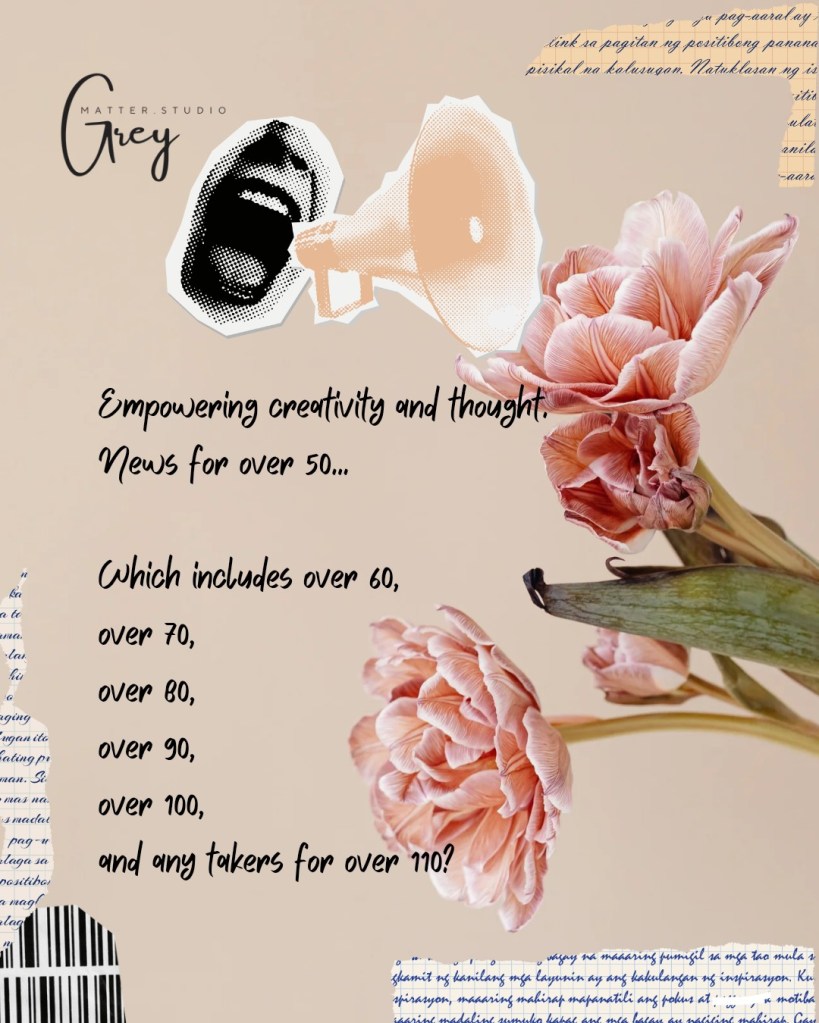
Little promotion here, GreyMatter went gang busters and celebrated its 1st anniversary in 2025. We reached over 50000 people and have a growing subscriber list and new authors. I’m very happy about this! It supports our co-authored paper by taking action of the conversation
- Promoting Positive Ageing Lifestyles and Wellbeing Through the Use of Social Media to Facilitate and Enhance Creative Decision-Making
- https://link.springer.com/chapter/10.1007/978-3-031-41637-8_12
We, as in the collective community, also rediscovered the novelty of being physically present together.
After an historic low during lockdowns, apparently cinema attendance in Australia rose; however, it’s still below long‑term averages suggesting that shared experiences remain valuable even as streaming services, YouTube shorts and TikTok+Insta reels reshape our habits. To be frank, getting out of the house with a few friends to watch a movie in tow, was very pleasant and welcome. It’s the type of activity you can do and still be home for early bed!! ha!
The takeaway for creators and communicators: in-person touchpoints have renewed potency because they’re rarer.
A favourite communication trick of mine is to use Touchnote (I’ve shared its value many times) as the physical postcard in the mail always brings a smile and joyous response from the recipient.
But has anyone else noticed the 70s and 80s revival?
When we say “the ’80s are back,” I’m noticing more than shoulder pads and synth lines — I’m watching the nostalgia pendulum swing.
It seems that pop culture resurfaces material from roughly three decades prior because the cohort who consumed it then, is now old enough (and solvent enough) to create and buy it again. As Patrick Metzger argued, there’s both a creator-side feedback loop and a consumer-side reward system: after ~30 years, an audience with disposable income is primed to respond to the familiar. Charlie says, “Innovation isn’t linear; it’s iterative. Ideas evolve, they get refined, and occasionally they’re revived because they worked the first time round.” That doesn’t mean we’ve stopped innovating; it means iteration and revival are part of how culture breathes.
But it also begs the question for the philosophical motivator when advertisers and retailers target youth, however the merchandise is for the over 50 shopper? What a conundrum! Am I edging into my 60th year in the knowledge that retailers weren’t ignoring us? 🤔 I doubt it, but it does deserve further thought. I digress.
Platforms mirror this familiarity. Facebook was founded in 2004… so that makes it older than most of our “youth”. Hence the dilemma of never living in a digital free world (like us oldies).
Facebook increasingly functions like a ledger of births, deaths and marriages — a place where big life moments and community logistics live, more archival than aspirational (a little like a morning newspaper). I’ve always said that Facebook is like the Advertiser after all! Its centre of gravity has aged up though, with older demographics relying on groups, events and news while overall usage remains broad. The point isn’t that Facebook is “over”; it’s that its utility has become steady and transactional even as other platforms chase velocity and spectacle. TikTok, meanwhile, has turned “mansplaining” into a content economy because it seemingly performs well as quick and personable content, relying on humour and curiosity. Yet the most interesting disruption isn’t coming from the youngest users.
Charlie says, “Older TikTokers are filling a gap the market didn’t even realise it had: wisdom, connection, motivation, and a global sense of belonging.”
Peer‑reviewed research has already documented how seniors use TikTok to reframe ageing: in one study of highly viewed videos, 71% defied age stereotypes, 18% used humour to make light of vulnerability, and 11% directly called out ageism. That’s not a niche; it’s a narrative pivot that challenges service models and policy assumptions about ageing.
Charlie adds, “Creativity doesn’t die.”

So how do we steer 2026 away from the outrage default and toward something richer? A few practical moves that work well for the over‑50 crowd:
- Lean into legacy and lived experience
- Make nostalgia productive
- Design for belonging
- Set healthy friction against rage bait – share JOY
- Experiment with short‑form anchored in substance
- Use your voice commercially —without apology.
- Join GreyMatter…. 😊
Charlie says, “The question for 2026 isn’t whether social media will shape us. It’s whether we can steer the culture we’re unconsciously creating.”
If 2025 taught us anything, it’s that culture is looping, anxiety is ambient, and connection matters more than ever, online and off.
In practice, that looks like older voices showing up with conviction, curiosity, and care—choosing formats that serve belonging, telling stories that travel, and refusing to be baited into the outrage economy. That’s how we bring more light in.
Love from Charlie.



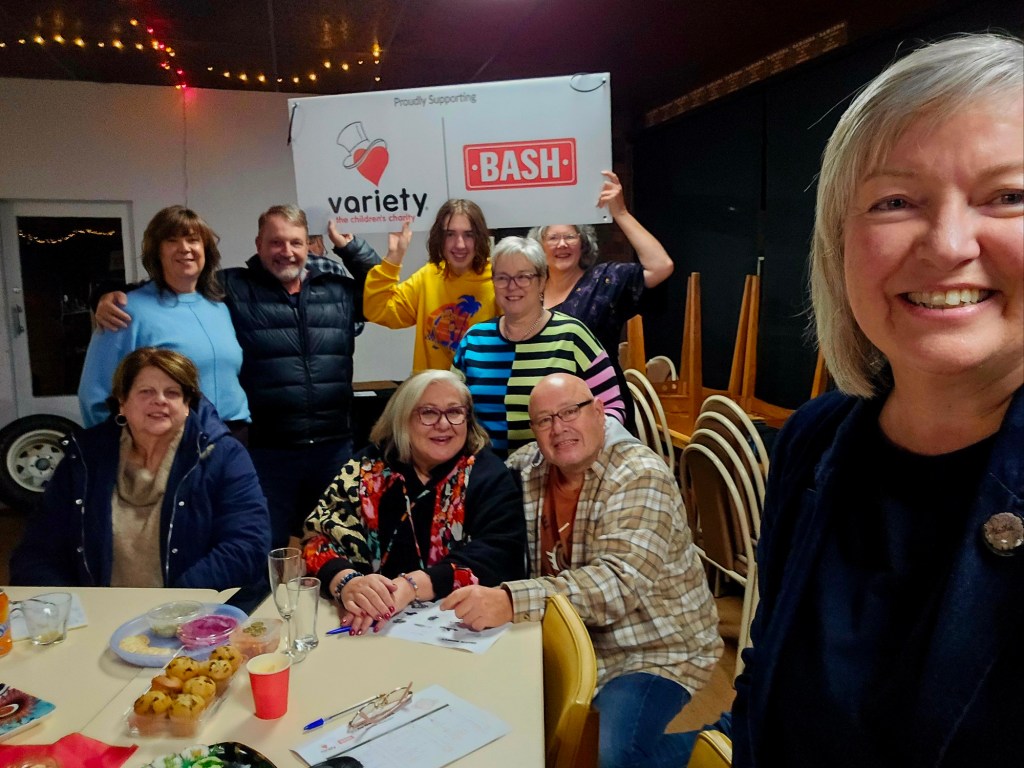
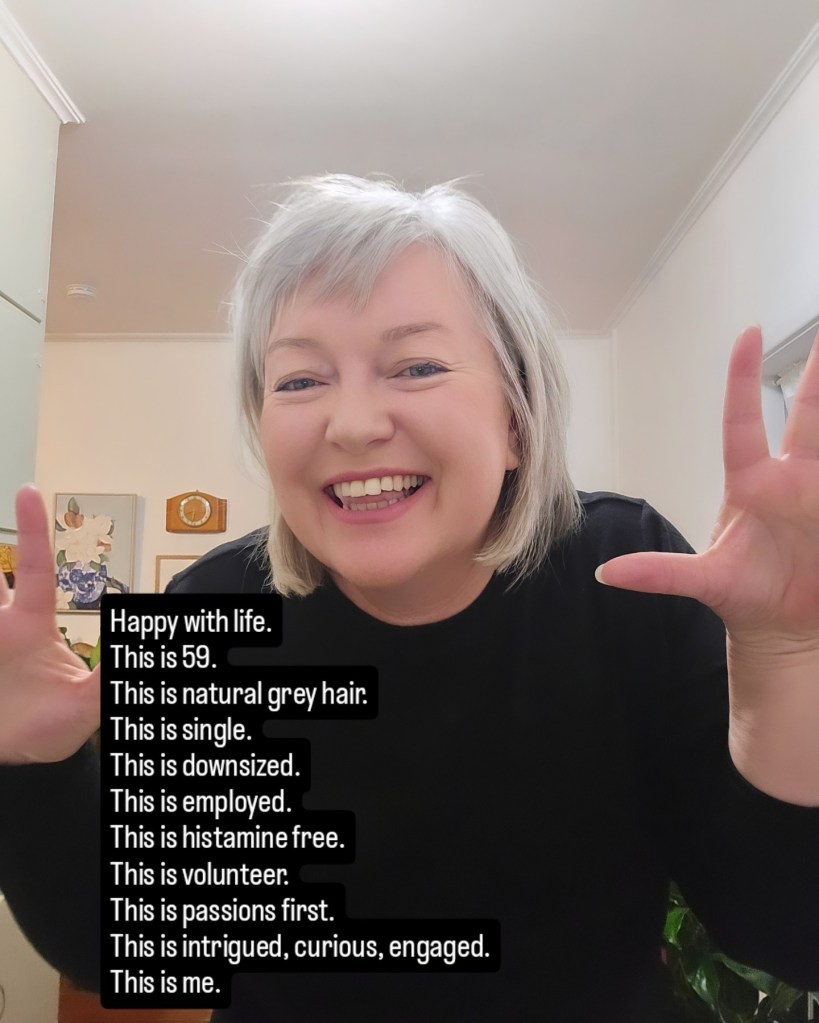



Charlie would love to start the conversation with you…